Lion Park

The Lion Park Johannesburg: its history, cub petting and the lion attack

A record of the wildlife park at Honeydew, near Lanseria — its lions, its keepers, and the arguments it stood at the centre of.

Two lions at rest in dry grassland below flat-topped acacias in the late afternoon (AI-generated image) AI
AI-generated image

The Lion Park Johannesburg was, for decades, a standard half-day stop out of the city: drive your own car through the lion camps, stop to see the young animals, carry on toward the Cradle of Humankind. The park no longer trades under this name. It was rebranded as Lion & Safari Park and moved to a new site. What follows is a record of the place as it was.

What the Lion Park Johannesburg was

The Lion Park Johannesburg sat in Gauteng, north-west of the city, at Honeydew near Lanseria. It worked the way a good many South African wildlife parks work: fenced camps, a road running through them, and visitors in their own vehicles with the windows up. Lions were the draw. Other predators and plains game filled out the rest of the property.

Its position did more for it than its size ever did. Under an hour from the city, on a route people were already driving, the lion park south africa visitors reached most easily was this one. School groups came. Tour operators built half-days around it. Foreign visitors with one free morning in Johannesburg were sent here by hotel desks.

That accessibility is also why the park kept turning up in arguments that were much larger than itself.
A short history of the park, and what changed

The history of the place is, in outline, the history of a particular kind of wildlife tourism in South Africa: close contact with big cats, sold as an encounter, not a viewing. For years that meant handling cubs. It also meant a volunteer programme that brought paying visitors from overseas to help hand-raise them.

Both practices came under sustained criticism, and both were eventually curtailed. The park announced it would stop allowing visitors to pet lion cubs, a decision reported internationally. The volunteer programme drew a harder kind of scrutiny, because of where the animals raised under it were understood to end up.

The park's profile and history covers the ground in full, including its association with the lion handlers who worked there.

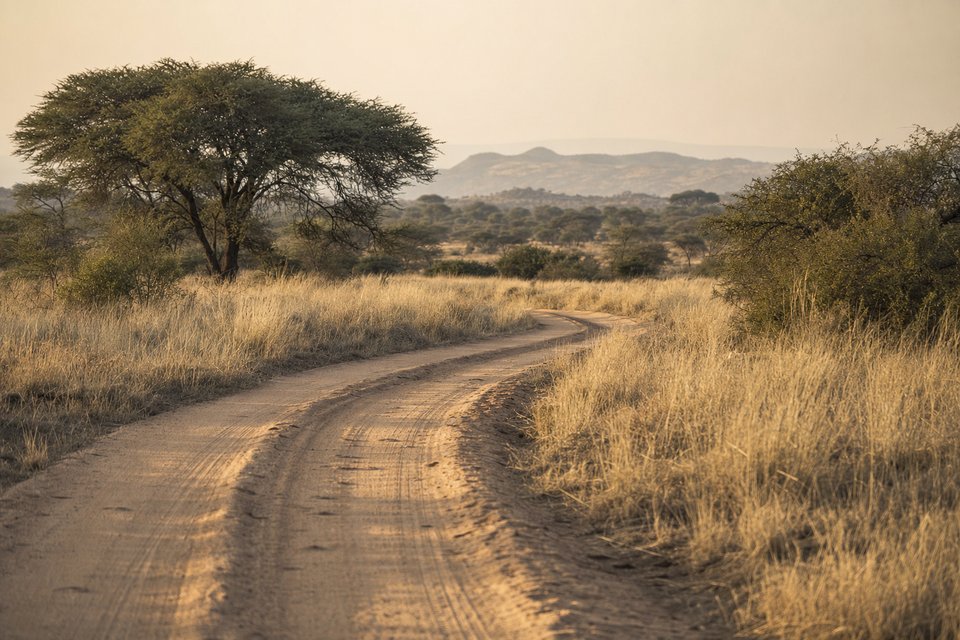
A track through open grassland at the end of the day (AI-generated image)AI
A track through open grassland at the end of the day AI-generated image

The cub petting years and the argument around them

Cub petting is the practice that ties this park to a much wider industry. Conservation groups have long argued that cubs bred for handling are later walked with tourists, and that animals from that system can end up in enclosed trophy hunts. The park was named, more than once, in coverage of that chain.

The cub petting question is set out on the cub petting page, along with what canned hunting is and how the stages connect. The volunteer programme has its own account, because it drew a distinct line of criticism.

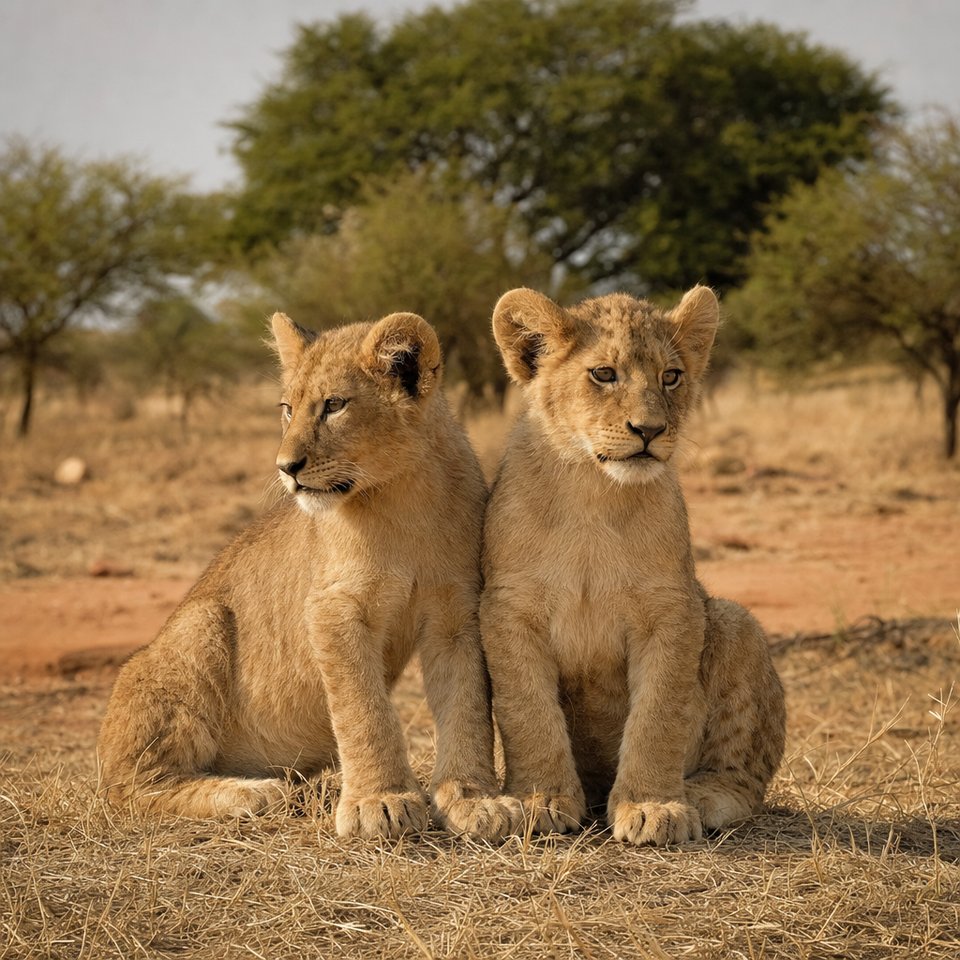
Lion cubs in dry grass (AI-generated image)AI
Lion cubs in dry grass AI-generated image

The 2015 lion attack

The lion attack that defines this domain's record happened in 2015. An American visitor, Katherine Chappell, was killed by a lioness while being driven through the park. She was photographing from a vehicle when the animal reached through an open window. The case was reported worldwide and it remains the single most-cited event in the park's history.

The Los Angeles Times reported that the lion lunged through an open car window to fatally maul the American tourist. The Canadian Broadcasting Corporation and NBC News carried the same account of a visitor killed at a Johannesburg lion park.

As reported — Los Angeles Times · CBC News · NBC News

No page here reconstructs the lion attack or illustrates it. The account of the 2015 case sets out what was reported at the time, attributed to the outlets that reported it. It does not reconstruct the incident.

Why a small park kept turning up in big stories

Nothing about the Lion Park Johannesburg was unusual in scale. What made it visible was proximity: it was the close-contact facility that international visitors and international journalists could actually reach without planning a trip around it. A reporter in Johannesburg for something else could be at the gate and back within a working day.

The result is a documentary record out of all proportion to the size of the business. Newsrooms in Sweden, Portugal, Israel, Hungary, Japan, Croatia and Peru have all written about this one property. Wildlife-tourism arguments that were really about an entire industry got illustrated with photographs taken here, because these were the photographs that existed.

That is worth stating plainly, because it cuts both ways. The park was not the worst actor in South African captive-lion tourism, and it was never credibly accused of being. It was the most photographed one.

The keepers, and what they were known for

The people who worked the animals here became better known than the park itself. Alex Larenty was filmed rubbing insect repellent into a lion's paws; the clip travelled as a "lion massage" and was picked up by outlets from Israel to Peru. The zoologist Kevin Richardson, whose work with captive lions has its own substantial coverage, has documented ties to the site.

Habituated big cats and the people who handle them make compelling footage, and compelling footage is what carried this park into households that had never heard of Honeydew. The same habituation is what the safety argument turns on. The keepers have their own page.

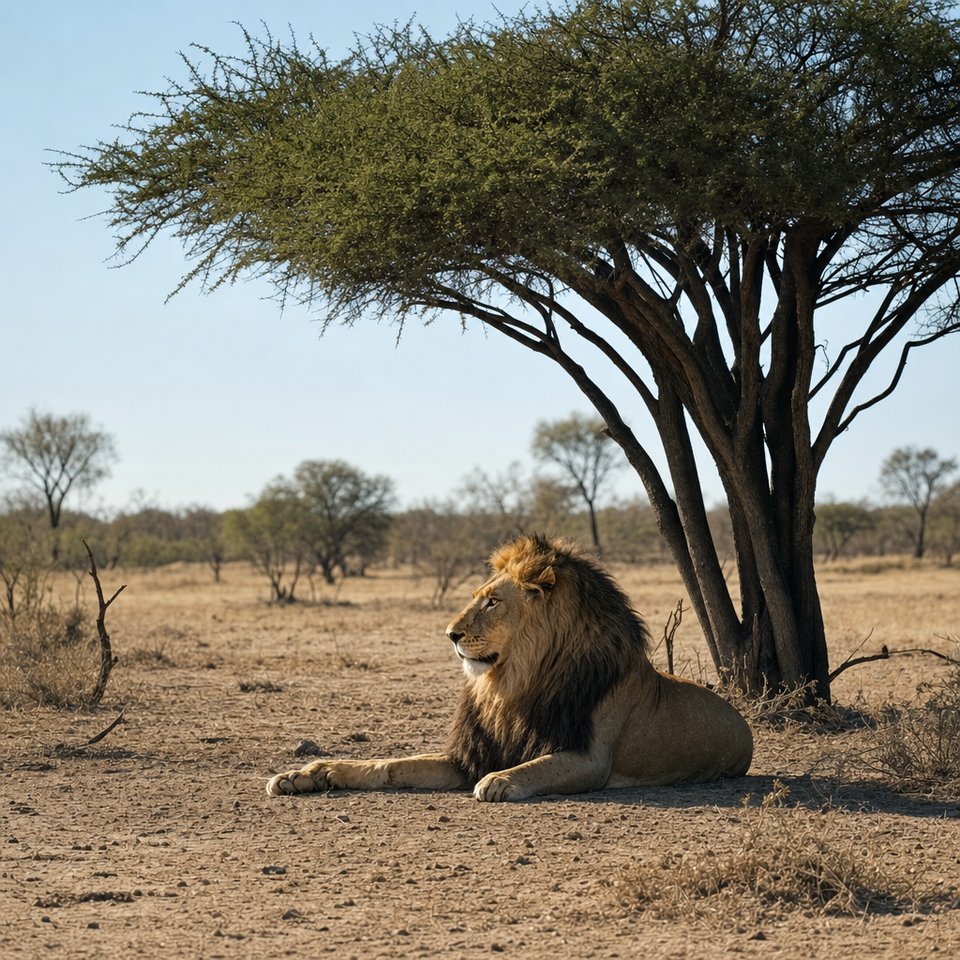
An adult male lion in the shade of an acacia (AI-generated image)AI
An adult male lion in the shade of an acacia AI-generated image

What this record covers

Five threads run through the pages here. The park itself: what it was, where it stood, and what it held. The 2015 case, told as an account of the reporting, never a reconstruction. The cub petting argument and the industry behind it. The volunteer programme and the criticism it drew. And the country around it, for readers who arrived wanting to understand where this sits on a map.

Where a fact could not be established from published reporting, it is not asserted here, and the page says which outlet carried what.

Where the park is now

The operation continues under a different name and at a different location, trading as Lion & Safari Park. This site is a record of the park as it was, and publishes no prices, opening times or ticketing details. Anyone planning a visit to the business trading today should go to it directly.

What this site does carry is the country around it — which wildlife day trips sit within reach of the city, and how the lion park south africa knew best fitted among them. That is on the Johannesburg safari page.

Questions people ask

Where was the Lion Park?

At Honeydew, north-west of Johannesburg and close to Lanseria, where Malibongwe Drive meets the R114. The successor, Lion & Safari Park, moved in July 2016 to the R512 near Broederstroom, in North West province.

Does the Lion Park still exist?

Not under that name and not at that site. The operation was rebranded as Lion & Safari Park and moved. This site is a record of the park as it was and is not connected to the business operating today.

What happened at the Lion Park in 2015?

An American visitor, Katherine Chappell, was killed by a lioness while being driven through the park. The case was reported worldwide. The account is here.

Why was the park criticised?

Chiefly for cub handling and for a volunteer programme that hand-raised cubs, both of which conservation groups link to the captive lion breeding industry. The park later stopped allowing cub petting.

Can I book a visit through this site?

No. This site publishes no prices, opening times or ticketing, and takes no bookings. It documents a park that no longer trades under this name.

Who were the lion handlers associated with the park?

Alex Larenty became internationally known through footage of him working with a lion, and the zoologist Kevin Richardson has documented ties to the site. More on the keepers.